
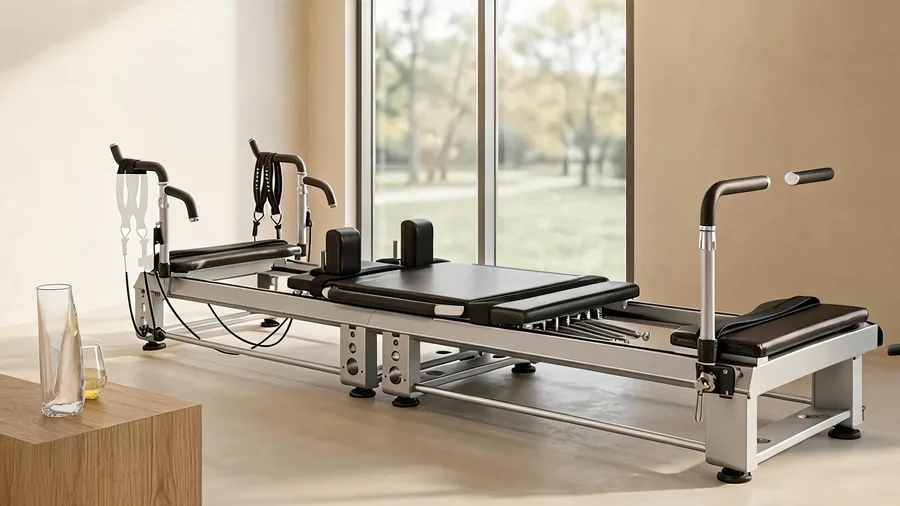
妊娠中・産後のリフォーマーピラティス:機器安全ガイド
妊娠中・産後のリフォーマーピラティス は、ブティックフィットネスで最も急成長している専門プログラムのひとつです。妊娠中の方も新しいママも、安全で効果的な運動を積極的に求めています。リフォーマーはこの目的に非常によく適しています。スプリング抵抗は調整でき、キャリッジが身体を支え、妊娠期ごとにエクササイズを修正できるからです。スタジオオーナーにとって、この妊娠中・産後のリフォーマーピラティスプログラムは、定着率の高い優良顧客セグメントを開きます。ただし、機器と指導が正しく整っている場合に限ります。本2026年版ガイドでは、妊娠中・産後のリフォーマーピラティスで重要な機器の特徴、安全なスプリング設定とポジショニングの指針、そして自スタジオでこのプログラムを立ち上げる方法を解説します。
1. 妊娠中・産後のリフォーマーピラティスが効果的な理由
The reformer’s design is a natural fit for pregnancy and postpartum recovery, which is why prenatal postnatal reformer pilates programs grow so quickly. The carriage provides stable, supported movement; springs deliver accommodating resistance that can be lightened as needed; and the supine, seated, and side-lying positions protect the pelvic floor and abdominal wall better than standing exercises in early recovery.
米国産婦人科医会(ACOG)などの組織による臨床ガイダンスは、合併症のない妊娠中の中等度運動の継続を支持しており、妊娠中・産後のリフォーマーピラティスは適切に修正すればそのガイダンスに沿います。産後のお客様にとって、リフォーマーは他のフォーマットでは追いつきにくい、段階的なコアと骨盤底の再コンディショニングを支えます。
2. 妊娠中・産後のワークで重要な機器の特徴
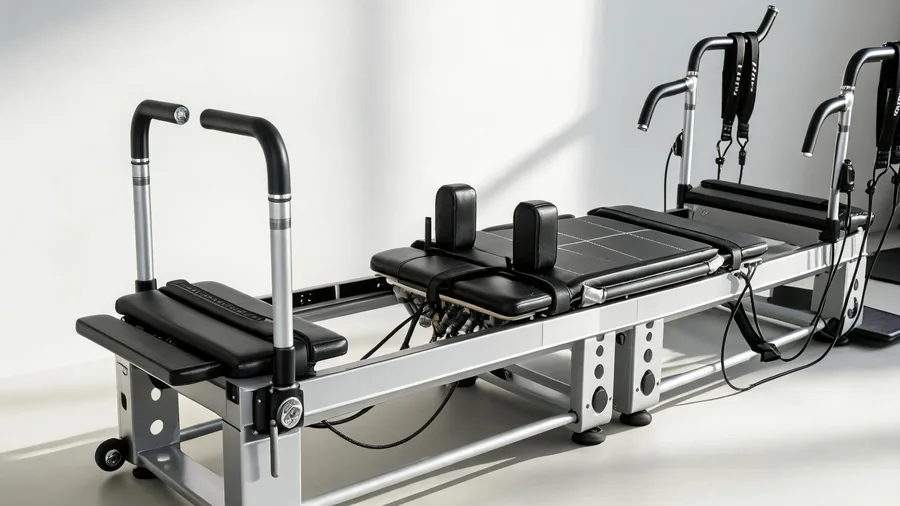
すべてのリフォーマーが妊娠中・産後のリフォーマーピラティスに同等に適しているわけではありません。以下の特徴を備えた業務用機が適しています。
- きめ細かな軽負荷のスプリング設定 ——最軽量のスプリング(0.5〜1.0 kg)を使えることが、産後初期と妊娠後期のワークには欠かせません
- 滑らかなキャリッジの滑走 ——密閉式カートリッジベアリングが衝撃やぎくしゃくした動きを防ぎます
- 調節可能なフットバー ——妊娠期間を通じた体型の変化に対応します
- 快適で幅広のキャリッジパッド ——仰臥位のワークで大きくなる腹部を支えます
- 低い乗降高さ ——妊娠後期でも乗り降りが容易です
- 安定した滑りにくいフレーム ——側臥位や膝立ちのワークでもぐらつきません
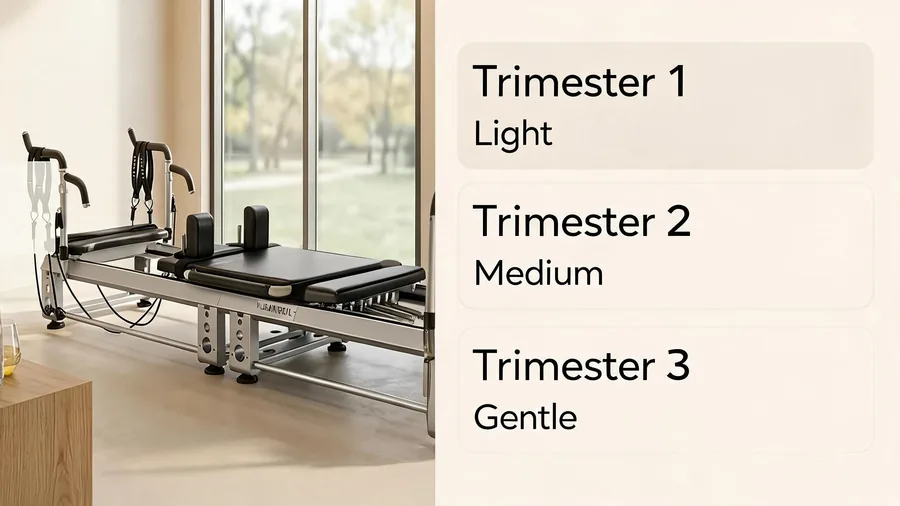
3. 妊娠期別の安全なスプリング設定
スプリングの選択は、妊娠中・産後のリフォーマーピラティスにおける中核的な安全変数です。基本原則は、コントロールされた動きが可能な最も軽いスプリングを使い、妊娠が進むにつれて抵抗を下げることです。
4. 妊娠中・産後のお客様向けのクラス修正
妊娠中・産後のリフォーマーピラティスをプログラムするには、スプリングを軽くするだけでは足りません。主な修正点は次のとおりです。妊娠初期以降は仰臥位のワークを除外し(側臥位、座位、四つ這いを使用)、深いツイストを避け、呼吸を動きと連動させ、すべてのエクササイズに選択肢を用意してお客様自身が強度を選べるようにします。
産後のクラスは、負荷のかかるコアワークの前に、骨盤底の活性化と呼吸のメカニクスから始めるべきです。インストラクターは腹直筋離開のスクリーニングを行い、必要に応じて医療専門家への紹介を行います。これらのクラスを指導するインストラクターには、妊娠中・産後専門の認定資格を強く推奨します。
5. プログラム開始に必要なリフォーマーの台数
多くのスタジオは、既存のリフォーマーを使い1〜3枠の専用時間を設けて妊娠中・産後のリフォーマーピラティスを始めています。当初は少人数制のほうが安全で適切なため、1セッションあたり2〜4台が一般的です。需要が伸びれば、専用枠はインストラクター1名あたり週10〜15時間分の顧客時間を追加で埋められます。
機器面では、リフォーマーが第2章の要件を満たしていれば新しい機械は不要です。抵抗の重い旧式機を使っているスタジオは、軽量スプリングセットの追加をおすすめします。既存のリフォーマーを妊娠対応にする低コストのアップグレードです。
6. 妊娠中プログラムの価格設定と収益
妊娠中・産後のリフォーマーピラティスはプレミアム価格が成立します。パーソナルおよびセミパーソナルの妊娠中セッションは通常1回60〜110ドル、6〜10回の回数券が標準的な販売単位です。スタジオにとってこのプログラムは自然な顧客パイプラインも生みます。妊娠中のお客様が産後のお客様になり、やがて長期会員になるケースが多く、ブティックフィットネスでも生涯価値が最も高いセグメントのひとつです。
7. 安全、賠償責任、インストラクター基準
医師の許可は、受け入れ時に譲れない要件です。妊娠中・産後のお客様は全員、初回セッション前に医療提供者からの書面による許可を提出してください。スタジオはインストラクター資格を文書で保管し、適切な賠償責任保険に加入し、個別対応ができる人数にクラスを抑えるべきです。
ピラティスメソッドアライアンスや妊娠中フィットネス団体が公表するような、認知された専門ガイドラインに従うことは、お客様とスタジオの両方を守ります。機器は毎クラス前に点検し、特にスプリングの健全性とフットバーのロックに注意してください。
8. よくある質問
妊娠中にリフォーマーピラティスは安全ですか。
はい。合併症のない妊娠であれば、妊娠中向けの修正に習熟し、医師の許可を得た認定インストラクターの指導のもとで安全です。妊娠初期以降は仰臥位のワークを避け、抵抗は軽めに保ってください。
出産後、いつからリフォーマーピラティスを始められますか。
医師の許可があれば、産後6週(経腟分娩)以降、帝王切開の場合はそれ以降に軽いリフォーマーワークを開始できます。負荷のかかるコアエクササイズの前に、骨盤底と呼吸のワークから始めてください。
妊娠中向けのリフォーマークラスに特別な機器は必要ですか。
いいえ。軽量スプリングの選択肢、滑らかな滑走、調節可能なフットバーがあれば、標準的な業務用リフォーマーで対応できます。軽量スプリングセットの追加は低コストのアップグレードです。
妊娠中向けピラティスのインストラクターは、何を見て選べばよいですか。
公認の妊娠中・産後ピラティス資格、有効な救急法の認定、記録された実務経験です。お客様を紹介してくれる医療専門家からの推薦も確認してください。
妊娠中のリフォーマーピラティスは出産準備に役立ちますか。
骨盤底の意識、呼吸のメカニクス、機能的な筋力を支え、多くのお客様や医療提供者が分娩と回復に役立ったと報告しています。ただし妊娠中の医療ケアを補うものであり、代替ではありません。
妊娠中向けのリフォーマーピラティスは、小規模スタジオでも収益になりますか。
はい。プレミアム価格、少人数クラス、高い顧客生涯価値により、妊娠中・産後のリフォーマーピラティスはブティックフィットネスで面積あたり最も収益性の高い専門プログラムのひとつです。
まとめ
妊娠中・産後のリフォーマーピラティスは、既存の機器、認定インストラクター、明確な安全プロトコルがあれば、ほとんどのスタジオが開始できる高価値プログラムです。機器要件は控えめ(軽量スプリング、滑らかな滑走、調節可能なフットバー)で、収益と定着のメリットは大きい。2026年、このセグメントにしっかり応えるスタジオは、何年も続くロイヤルティを築きます。
関連ガイド
外部リソース
本テーマについて信頼できる指針を示す業界リソースは以下のとおりです。
Studios running pre and postnatal classes pick from the commercial reformer models.