
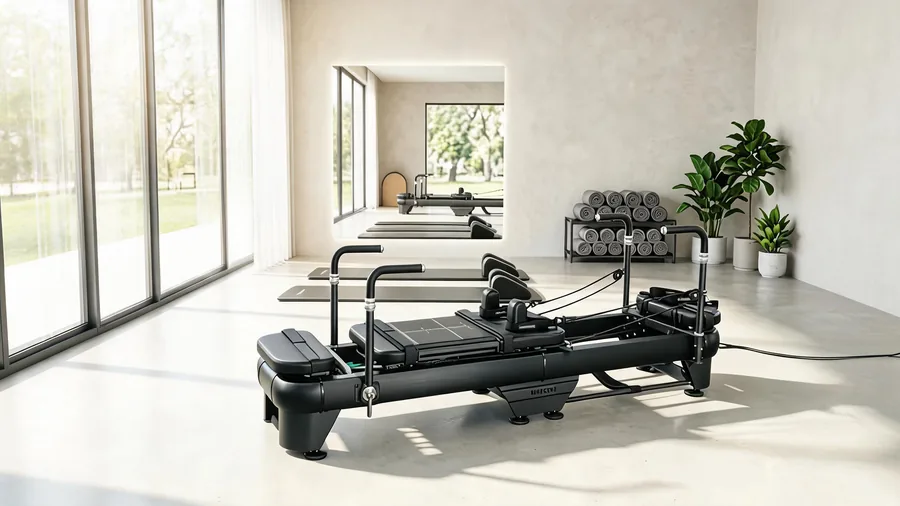
When investing in commercial Pilates equipment, the warranty tells you more about the manufacturer than any marketing claim. A strong warranty signals confidence in product quality. A weak or vague warranty suggests the manufacturer expects problems. But not all warranties are created equal — and the terms matter a lot more than the duration. This Pilates equipment warranty guide explains what factory-backed coverage really means, how to compare warranty terms between suppliers, and what to look for so your investment is protected.
1. Pilates Equipment Warranty Guide: Why Factory-Backed Coverage Matters
A Pilates equipment warranty guide should start with the most important distinction: factory-backed versus dealer-backed coverage. A factory-backed warranty means the manufacturer directly handles claims, replacement parts, and support. A dealer-backed warranty means the retailer handles these — and if the dealer goes out of business, changes suppliers, or stops carrying that brand, your warranty may become worthless.
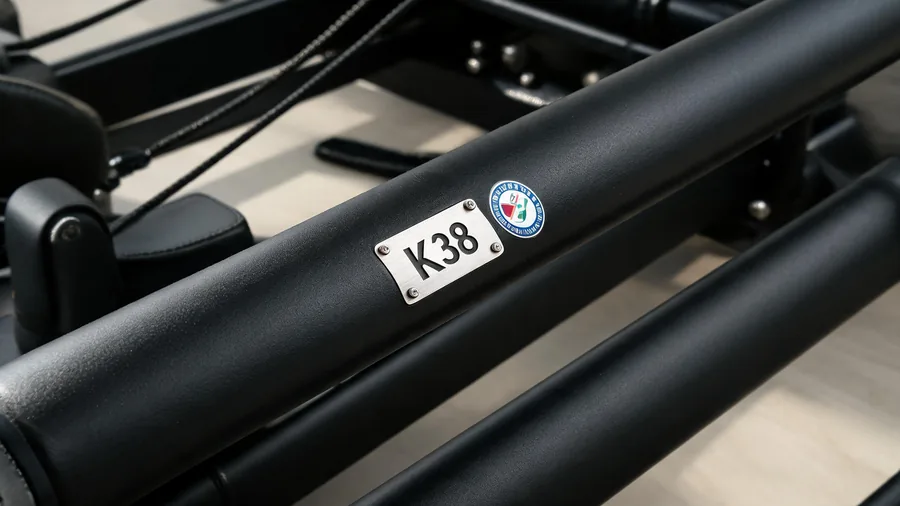
Factory-direct manufacturers like Megacore control the entire warranty process. When a frame issue arises, the factory team that built the reformer handles the claim. Replacement parts ship directly from production inventory. There is no middleman adding delays or denying claims to protect their margins. This direct accountability is why factory-backed warranties are generally more reliable than dealer-backed alternatives.
2. Pilates Equipment Warranty Guide: Understanding Warranty Exclusions
Every Pilates equipment warranty guide should cover exclusions — the conditions that void or limit coverage. Common exclusions in Pilates reformer warranties include commercial use (some warranties only cover home use), consumable parts like springs and ropes, damage from improper assembly or maintenance, and cosmetic issues like paint scratches or upholstery wear.
A quality manufacturer specifically warrants their equipment for commercial use — because that is how most buyers intend to use it. Megacore’s 3-year warranty covers both frame and entire machine in commercial studio environments. The warranty explicitly includes spring sets and bearing systems, which are the components most likely to need replacement under heavy use. Always ask the supplier: what is covered, for how long, and under what conditions of use. The answers reveal whether the warranty is a marketing tool or a genuine commitment.
3. Pilates Equipment Warranty Guide: Frame vs Component Coverage
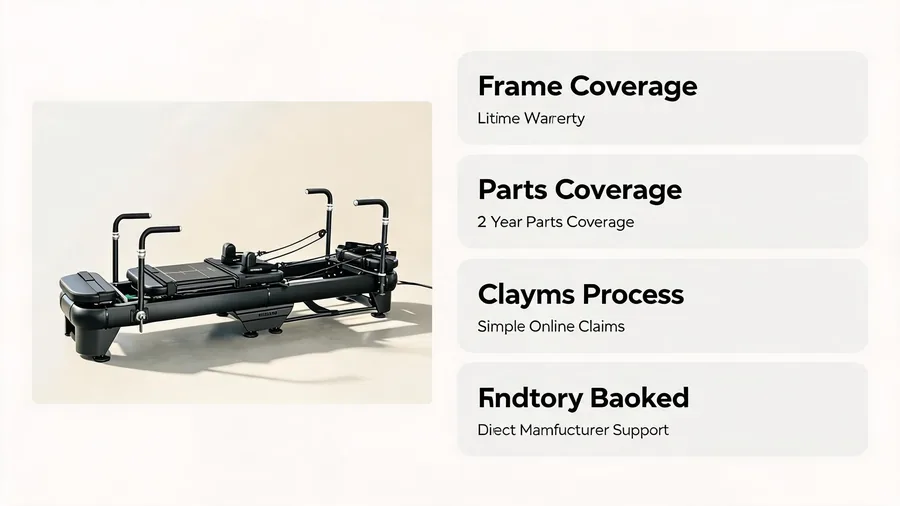
Not all warranty terms are the same for every part of the reformer. A typical Pilates equipment warranty guide distinguishes between frame coverage and component coverage. The frame — the welded steel structure — should carry the longest warranty period because it is the most durable part of the machine. Components like springs, ropes, bearings, and upholstery wear out faster and may have shorter coverage periods.
Megacore offers a 3-year warranty on both frame and components, but many manufacturers cover the frame for 5–10 years and components for only 1–2 years. Understanding this split helps you evaluate warranty value. A reformer with a 10-year frame warranty but only 1 year on springs may cost you more in the long run than one with a shorter frame warranty that fully covers all components.
4. Pilates Equipment Warranty Guide: Factory-Direct vs Dealer Warranty
One of the most important topics in any Pilates equipment warranty guide is the difference between buying factory-direct versus buying through a dealer. A dealer warranty adds an extra layer between you and the manufacturer. If the dealer goes out of business — which happens frequently in the fitness equipment industry — your warranty is effectively void because there is no one to process the claim.
Factory-direct purchasing eliminates this risk. The manufacturer has a direct financial incentive to honor its warranty because unhappy buyers will not return for future orders and may leave negative reviews. A factory-direct manufacturer like Megacore also maintains a complete parts inventory and technical support team dedicated to warranty service. For more on this topic, the comparison of China factory vs local supplier provides additional context on the factory-direct advantage.
5. Pilates Equipment Warranty Guide: How Quality Control Supports Warranty Claims
A meaningful Pilates equipment warranty guide connects warranty terms to the manufacturer. The Pilates Method Alliance provides industry standards for equipment quality that complement a manufacturer’s quality control processes. A warranty is only as good as the production system behind it. A manufacturer with documented quality control produces reformers that fail less often, which means they make fewer warranty claims and can offer better terms.
Megacore’s quality inspection certification GZHL2601000020601SP documents raw material testing, weld inspection, powder coating adhesion verification, spring load testing, and final assembly functional checks. Every reformer that passes these checks is logged by serial number. When a warranty claim does arise, that serial number traces back to the specific production batch, allowing the factory to identify the root cause and improve the process. This traceability is what makes factory-backed coverage fundamentally different from a dealer offering a generic warranty on equipment they did not build.
6. Pilates Equipment Warranty Guide: What to Look for in a Warranty
When evaluating a reformer warranty, use this checklist:
- Is it factory-backed or dealer-backed? Factory-direct is more reliable.
- How long is the frame warranty? Minimum 2 years for commercial use.
- How long are component warranties? Springs, ropes, and bearings should have clear coverage.
- Is commercial use explicitly covered? Some warranties exclude commercial use entirely.
- Are consumable parts like springs included? These are the most common replacement items.
- Who handles claims? The manufacturer or a third party?
- Where are replacement parts shipped from? Local warehouse or overseas factory?
- Is there a written warranty document? Vague verbal promises are not enforceable.
A manufacturer that answers all these questions clearly is confident in their product. One that gives vague answers or asks you to “trust the process” is likely offering paper protection, not real coverage.
7. Pilates Equipment Warranty Guide: The 3-Year Warranty Standard
The Pilates equipment industry has converged on a 3-year warranty as the standard for commercial-grade reformers. This period reflects the expected lifecycle of key components under professional daily use. A 3-year warranty covering both frame and entire machine — like the warranty Megacore offers — provides meaningful protection for studio owners and signals that the manufacturer expects their equipment to perform reliably for at least three years of commercial operation.
For a detailed breakdown of exactly what Megacore’s 3-year warranty covers, refer to the specific guide on Pilates reformer 3-year warranty explained. That article covers the specific claim process, component coverage details, and what voids the warranty. This Pilates equipment warranty guide focuses on the broader comparison between different warranty types and what to look for when evaluating any supplier.
8. Pilates Equipment Warranty Guide: Frequently Asked Questions
What is the difference between factory-backed and dealer-backed warranty?
Factory-backed means the manufacturer handles claims directly. Dealer-backed means the retailer handles them. Factory-backed is more reliable because the manufacturer controls parts inventory and has a direct interest in customer satisfaction.
How long should a Pilates reformer warranty be?
For commercial-grade reformers, a minimum of 2–3 years on both frame and components is standard. Megacore offers a 3-year warranty covering both frame and entire machine.
Does the warranty cover springs and ropes?
It depends on the manufacturer. Some warranties exclude consumable parts like springs and ropes. Megacore’s 3-year warranty includes spring sets and bearing systems as part of the component coverage.
Can I transfer the warranty if I sell my studio?
Some warranties are transferable, some are not. Ask the manufacturer before purchasing. Transferable warranties add resale value to your equipment.
What voids a Pilates reformer warranty?
Common reasons include improper assembly, unauthorized modifications, using the equipment outside its specified weight capacity, and failure to perform routine maintenance like lubricating bearings.
9. Pilates Equipment Warranty Guide: Choose a Manufacturer That Stands Behind Their Product
This Pilates equipment warranty guide has covered the key factors: factory-backed vs dealer coverage, frame vs component terms, the role of quality control, and what questions to ask before buying. A strong warranty is not just a piece of paper — it is a signal of manufacturing quality and a commitment to your long-term satisfaction.
Megacore Pilates builds every reformer in its own factory in Guangzhou, China, under documented quality control processes verified by certification GZHL2601000020601SP. Every reformer ships with a 3-year warranty covering both frame and entire machine, backed by direct factory support. When you choose a manufacturer that stands behind their product, you are not just buying equipment — you are buying peace of mind for your studio.
More resources: 3-Year Warranty Explained | Buying Guide 2026 | Frame Materials Guide | Factory vs Local Supplier