
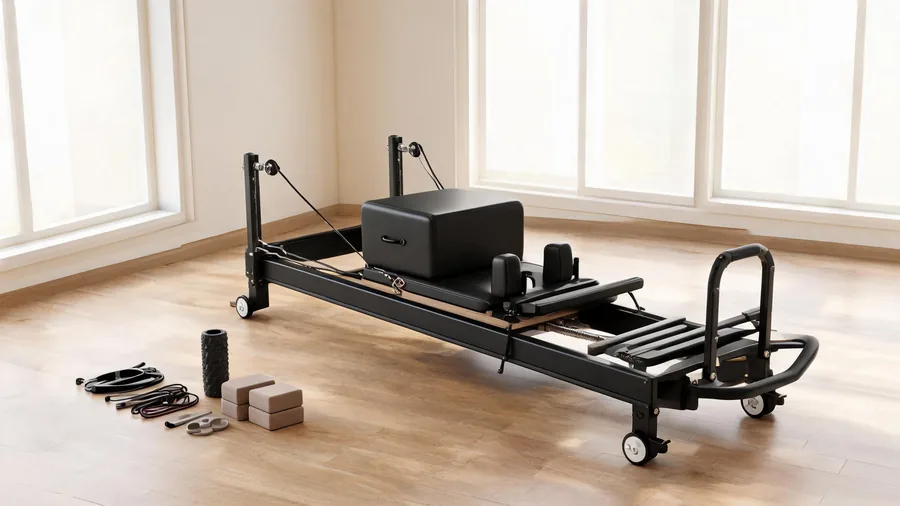
Al di là del Reformer in sé, i giusti accessori per Reformer Pilates determinano quanti esercizi può offrire il tuo studio, quante tipologie di corporatura puoi accogliere e quanta varietà puoi proporre. Per i proprietari di studi commerciali, fare scorta degli accessori sbagliati — o con le specifiche sbagliate — spreca budget e limita la programmazione dei corsi.
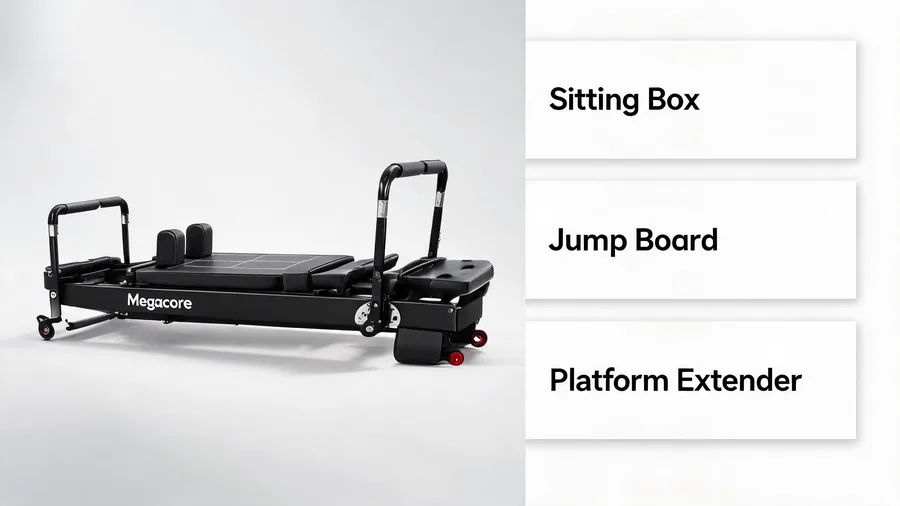
Questo catalogo di accessori per Reformer Pilates copre i quattro gruppi di accessori fondamentali: box per Reformer, jump board, prolunghe piattaforma e copri foam roller con tappetini ecologici. Per ognuno troverai le specifiche di livello commerciale che contano davvero, i controlli di compatibilità e indicazioni di budget realistiche.
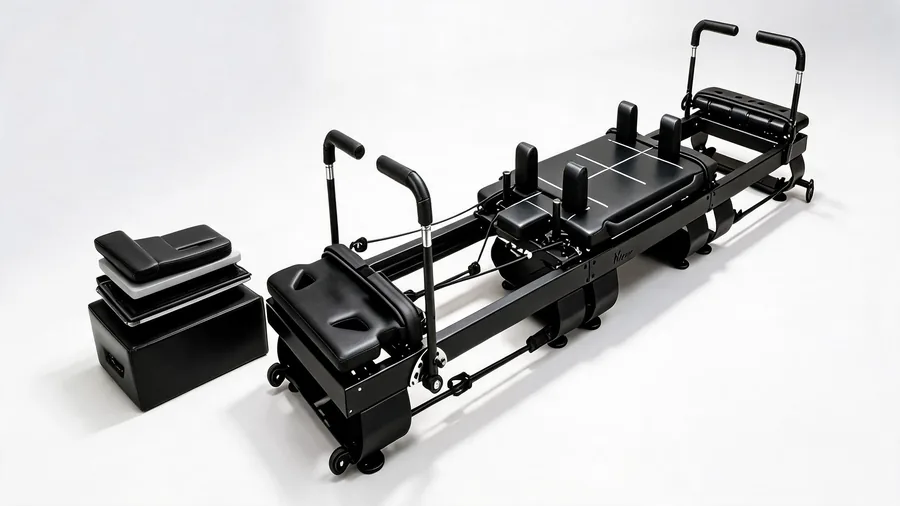
Abbiamo scritto questa guida dal lato della fabbrica, dove Megacore produce Reformer commerciali e i relativi accessori per studi in tutto il mondo. Per questo le specifiche riportate di seguito sono quelle che testiamo ogni giorno, non numeri di marketing. Cominciamo da ciò di cui ogni studio ha davvero bisogno.
Accessori per Reformer Pilates per studi commerciali — box, jump board e prolunghe piattaforma costruiti con lo stesso standard del Reformer stesso.
1. Accessori per Reformer Pilates: cosa deve avere ogni studio
Un kit completo di accessori per Reformer Pilates è più ridotto di quanto la maggior parte dei proprietari immagini. Quattro gruppi di accessori coprono circa il 95% delle esigenze dei corsi commerciali. Tutto il resto — pedali split, accessori Tower, cinghie per i piedi — è un plus una volta che il kit di base è a posto.
Box e jump board non sono opzionali per uno studio di Reformer commerciale: fanno parte del format di lezione standard che i clienti si aspettano. Le prolunghe piattaforma e i tappetini variano in base alla tua clientela e ai tipi di corso.
2. Box per Reformer: misure, specifiche e cosa verificare
Tra tutti gli accessori per Reformer Pilates del tuo studio, il box è quello più usato ogni giorno. Il box per Reformer — chiamato anche short box o box Pilates — è una piattaforma imbottita che si appoggia sul carrello per gli esercizi da seduti e da sdraiati. È l'accessorio più utilizzato in assoluto in uno studio commerciale, quindi l'asticella delle specifiche è alta.
Dimensioni standard del box
Densità della schiuma e materiali del rivestimento
La schiuma ad alta densità (50-60 kg/m³) è la linea di demarcazione tra un box che dura cinque anni e uno che si affloscia in sei mesi. Un box afflosciato cambia gli angoli di esecuzione e crea un'esperienza incoerente tra i vari Reformer del tuo parco macchine. Il vinile di grado marino con trattamento antimicrobico deve abbinarsi al rivestimento del tuo Reformer, così lo studio appare uniforme.
Come verificare la qualità del box prima dell'acquisto
- Controlla la superficie inferiore: deve avere gommini antiscivolo compatibili con il materiale del tuo carrello
- Verifica che le maniglie di trasporto siano rinforzate: devono sopportare almeno 50 kg di trazione senza strapparsi
- Premi la schiuma: deve tornare subito in forma senza impronte visibili
- Chiedi per iscritto la specifica della densità della schiuma: se il fornitore non la dichiara, è un campanello d'allarme
3. Jump Board: specifiche cardio e compatibilità
Tra gli accessori per Reformer Pilates commerciali, il jump board è l'acquisto con il maggiore impatto per aggiungere nuovi format di corso. Il jump board trasforma il Reformer in una piattaforma cardio a basso impatto ed è il modo più rapido per introdurre un nuovo format di lezione a reddito. Per i jump board commerciali l'attenzione alle specifiche è su assorbimento degli urti e sicurezza del fissaggio: questo accessorio incassa forze reali, lezione dopo lezione.
Dimensioni e specifiche della schiuma
Requisiti di sicurezza per le lezioni con jump board
L'uso del jump board richiede un Reformer con una portata del telaio di almeno 250 kg per sopportare carichi dinamici ripetuti, oltre a uno spazio sufficiente dal soffitto: almeno 30 cm sopra l'altezza massima di salto del cliente. La schiuma del jump board si comprime del 10-15% nell'uso normale e va sostituita ogni 2-3 anni in uno studio molto attivo.
Per la programmazione delle lezioni, la scelta delle molle e le progressioni degli esercizi, consulta la nostra guida agli esercizi con jump board — questo catalogo si concentra sull'attrezzatura in sé.
4. Prolunga piattaforma: allungare il carrello per i clienti più alti
Per gli studi con clienti di statura elevata, questa è la categoria di accessori per Reformer Pilates che previene il maggior numero di reclami. Una prolunga piattaforma allunga la superficie del carrello di 15-30 cm, un dettaglio che conta più di quanto la maggior parte dei proprietari immagini. I carrelli standard misurano 95-105 cm: troppo corti per un lavoro comodo in posizione prona e supina per clienti oltre i 185 cm. Gli studi con una base significativa di clienti uomini dovrebbero considerare le prolunghe come dotazione standard su almeno metà dei Reformer.
Compatibilità e installazione
- Fissaggio: staffe di blocco o connessioni fissate con cinghie all'estremità lato testa del carrello
- L'installazione deve essere senza attrezzi: niente viti né chiavi inglesi tra una lezione e l'altra
- L'imbottitura deve corrispondere a quella del carrello per spessore (3-5 cm) e durezza (ILD 30-40)
- Uno spostamento anche di soli 1 cm durante un esercizio è un problema di sicurezza: verifica il blocco prima della lezione
Estendere la superficie a 120-130 cm accoglie comodamente clienti fino a 200 cm. Per le applicazioni negli esercizi, consulta la nostra guida alla prolunga piattaforma che copre il lavoro in stile Cadillac sul Reformer.
Catalogo accessori Reformer Pilates: box, jump board e prolunghe piattaforma — attrezzature da studio configurate con gli accessori che i clienti si aspettano da una lezione commerciale.
5. Copri foam roller e tappetini ecologici
I copri foam roller e i tappetini ecologici sono gli accessori per Reformer Pilates che sostengono l'igiene e le fasi di riscaldamento. Completano il kit di accessori: proteggono l'attrezzatura, aggiungono uno strato igienico e accompagnano le fasi di warm-up e cool-down delle lezioni sul Reformer.
Specifiche dei copri foam roller
I copri commerciali si adattano a roller da 90 cm e 60 cm con diametri di 13-15 cm. Cerca miscele di poliestere elasticizzato in 4 direzioni o nylon-spandex con finitura antimicrobica: l'assorbimento del sudore è il principale punto critico. I copri devono essere lavabili in lavatrice e vanno sostituiti ogni 6-12 mesi in base al volume delle lezioni.
Confronto tra le opzioni di tappetini sostenibili
Per l'analisi completa sulla sostenibilità e i dettagli di approvvigionamento, consulta la nostra guida ai copri foam roller e tappetini ecologici.
6. Compatibilità: perché gli accessori abbinati alla stessa marca vincono
La compatibilità è il fattore meno visibile ma più importante negli accessori per Reformer Pilates. Le dimensioni del Reformer, la larghezza delle guide e i punti di fissaggio variano da produttore a produttore. L'errore più grande che vediamo è mescolare marche diverse: un box che non aderisce bene o un jump board che si sposta durante la lezione è un rischio per la sicurezza, non un risparmio.
Quando acquisti gli accessori dallo stesso produttore dei tuoi Reformer, la compatibilità è garantita e la copertura della garanzia resta intatta. Megacore fornisce box, jump board e prolunghe piattaforma abbinati a ogni modello di Reformer della nostra gamma commerciale.
7. Checklist accessori Reformer Pilates: cosa ordinare con il tuo primo parco Reformer
Quando ordini i Reformer per un nuovo studio, la lista degli accessori si decide nello stesso ordine d'acquisto: aggiungerli dopo costa di più e ritarda l'apertura. Usa questa checklist come foglio d'ordine per uno studio con 10 Reformer:
Ordinare gli accessori per Reformer Pilates insieme ai Reformer offre due vantaggi: la compatibilità è garantita perché tutto viene abbinato in fabbrica e risparmi sul trasporto condividendo un unico container. La maggior parte dei produttori di Guangzhou, Megacore inclusa, può raggruppare gli accessori nella spedizione dei Reformer a prezzi da fabbrica.
Un errore comune è ordinare troppi pochi pezzi di ricambio. Uno studio con oltre 15 lezioni al giorno consuma le cinghie ogni 6-12 mesi e la schiuma del jump board ogni 2-3 anni. Ordina i ricambi già con la spedizione iniziale, così hai i pezzi di ricambio in magazzino prima del primo guasto, non sei settimane dopo.
8. Errori comuni con gli accessori per Reformer Pilates e come evitarli
La maggior parte dei problemi con gli accessori per Reformer Pilates negli studi commerciali si riduce a una manciata di errori ricorrenti. Ecco quelli che vediamo più spesso e la soluzione per ciascuno.
Acquistare accessori di livello domestico per uso commerciale
I box e i jump board di livello domestico usano schiuma a densità inferiore (30-40 kg/m³) e vinile più sottile. In un contesto commerciale si comprimono in pochi mesi, cambiano gli angoli di esecuzione e appaiono usurati accanto ai Reformer. Specifica sempre la densità della schiuma di livello commerciale (50-60 kg/m³ per i box, 40-50 kg/m³ per i jump board), anche se il costo iniziale è più alto.
Mescolare marche di accessori diverse
La larghezza delle guide, le dimensioni del carrello e la larghezza della barra poggiapiedi variano da produttore a produttore. Un jump board che si adatta a una marca può risultare instabile su un'altra: e un jump board allentato sotto un cliente che salta è un vero rischio per la sicurezza. In caso di dubbio, ordina gli accessori per Reformer Pilates dalla stessa fabbrica che ha costruito i tuoi Reformer.
Ignorare i piani di sostituzione
La schiuma del jump board si comprime del 10-15% durante l'uso normale e va sostituita ogni 2-3 anni. Le cinghie vanno sostituite quando iniziano a sfilacciarsi, in genere dopo 6-12 mesi in uno studio molto attivo. I copri roller durano 6-12 mesi. Segna queste date su un calendario di manutenzione: gli accessori sono materiali di consumo, non attrezzatura a vita.
Saltare il controllo antiscivolo
Il fondo del box deve avere gommini antiscivolo compatibili con la superficie del carrello. Un box che scivola durante gli esercizi da seduti è uno dei problemi di sicurezza più sottovalutati negli studi. Prova ogni box sul carrello reale prima di metterlo in uso.
9. Stoccaggio e organizzazione degli accessori
La gestione degli accessori è un aspetto trascurato nella pianificazione degli accessori per reformer Pilates. Senza uno stoccaggio organizzato, i box cadono, i jump board vengono mal riposti e le transizioni tra le classi si allungano da 90 secondi a cinque minuti. Prevedete un budget di ¥3.000-6.000 per lo stoccaggio in uno studio con 10 reformer: l'investimento si ripaga in durata delle attrezzature e velocità di transizione.
- Scaffalature a parete vicino all'area dei Reformer, non in un retrobottega
- Sistemi con codice colore: un colore per ogni postazione Reformer, con accessori abbinati
- Cestini per singolo Reformer per gli accessori piccoli (cinghie, ring, elastici)
Per opzioni dettagliate su rastrelliere, carrelli e layout, consulta la nostra guida alle soluzioni di stoccaggio per Reformer.
10. Budget per gli accessori per Reformer Pilates
Ecco quanto costano davvero gli accessori per Reformer Pilates di livello commerciale, in base ai prezzi da fabbrica:
Le quantità minime d'ordine per gli accessori personalizzati (logo, colori del marchio) partono in genere da 100-200 unità quando ci si rifornisce direttamente dai produttori di Guangzhou. Per un allestimento standard dello studio, ordinare gli accessori insieme ai Reformer in un'unica spedizione è la soluzione più conveniente: garantisce anche la compatibilità.
Domande frequenti
D1: Di quali accessori per Reformer Pilates ho davvero bisogno?
Inizia con un box e un jump board per ogni Reformer: sono il cuore dei format di lezione commerciali. Aggiungi le prolunghe piattaforma per clienti di statura elevata e i copri foam roller con tappetini ecologici per il riscaldamento e l'igiene. Tutto il resto può aspettare finché questi non sono a posto.
D2: Posso usare accessori di marche diverse?
Non sempre. La larghezza delle guide, le dimensioni del carrello e i punti di fissaggio variano da produttore a produttore. Forzare accessori incompatibili può danneggiare l'attrezzatura e creare rischi per la sicurezza. Acquista dal produttore del tuo Reformer o usa adattatori universali verificati.
D3: Quanto costano gli accessori per Reformer Pilates?
I jump board vanno dai 100 ai 300 $, i box dai 200 ai 500 $, le prolunghe piattaforma dai 150 ai 400 $ e i set di imbottitura in schiuma dai 50 ai 150 $ al dettaglio. I prezzi da fabbrica in genere fanno risparmiare il 30-40% e acquistare in bundle con l'ordine dei Reformer è la scelta più conveniente.
D4: Quanto durano gli accessori commerciali?
Con schiuma di livello commerciale e vinile marino, i box durano oltre 5 anni, la schiuma del jump board va sostituita ogni 2-3 anni e i copri roller ogni 6-12 mesi. Segui il piano di sostituzione: la schiuma usurata altera la qualità degli esercizi e può diventare un problema di sicurezza.
D5: Gli accessori si adattano a tutti i modelli di Reformer?
No. I box devono corrispondere alla larghezza del carrello, le staffe del jump board alla larghezza della barra poggiapiedi e le prolunghe piattaforma sono di solito specifiche per modello. Verifica sempre la compatibilità con il produttore prima di ordinare: anche una differenza di 1 cm basta a rendere un accessorio pericoloso.
D6: Conviene acquistare gli accessori insieme ai Reformer o più tardi?
Acquistali insieme ai Reformer. La compatibilità è garantita, il trasporto è condiviso e il prezzo da fabbrica si applica all'intero ordine. Aggiungerli dopo significa costi di spedizione separati e il rischio che le specifiche dell'accessorio siano cambiate tra un ordine e l'altro.
D7: Come pulisco gli accessori per Reformer Pilates?
Passa salviette a base di ammonio quaternario sui box e sui jump board in vinile tra una sessione e l'altra, seguendo lo stesso protocollo di pulizia dei Reformer. Lava i copri roller con un ciclo delicato e lasciali asciugare all'aria. Non immergere mai la schiuma né spruzzare il detergente direttamente su di essa: il liquido penetra nell'imbottitura e ne accelera il degrado.
Conclusione
Gli accessori giusti per Reformer Pilates ampliano la tua offerta di corsi, accolgono più tipologie di corporatura e proteggono il tuo investimento nei Reformer. Scegli la qualità commerciale — densità della schiuma adeguata, vinile marino, meccanismi di fissaggio sicuri — e abbina ogni accessorio al tuo modello di Reformer. Organizzali con un sistema di stoccaggio a codice colore e sostituisci i materiali soggetti a usura secondo il piano previsto.
In Megacore, ogni accessorio è prodotto secondo le stesse specifiche dei nostri Reformer commerciali e testato per l'uso quotidiano da parte di più utenti. I prezzi da fabbrica permettono agli studi di ottenere accessori di livello commerciale senza il ricarico del dettaglio.
Guide correlate
- Esercizi con jump board sul Reformer Pilates: aggiungere cardio ai tuoi allenamenti sul Reformer
- Prolunga piattaforma per Reformer Pilates: aggiungere esercizi in stile Cadillac al tuo Reformer
- Copri foam roller e tappetini ecologici per Reformer Pilates: soluzioni sostenibili per lo studio
- Soluzioni di stoccaggio per Reformer Pilates: guida completa all'organizzazione di molle e cinghie
- Guida alla pulizia del Reformer Pilates: buone pratiche per l'igiene e la sanificazione dello studio
- I migliori Reformer Pilates per uso commerciale: acciaio, molle e durabilità
Risorse esterne
Riferimenti di settore per gli accessori per Reformer Pilates e gli standard delle attrezzature da studio:
- Pilates Method Alliance — standard di settore per le attrezzature
- CDC Environmental Infection Control — igiene per le attrezzature condivise
- Standard di sanificazione OSHA — sicurezza sul lavoro nelle strutture fitness
Accessory compatibility depends on the machine, and the reformer commerciale model pages list what fits.